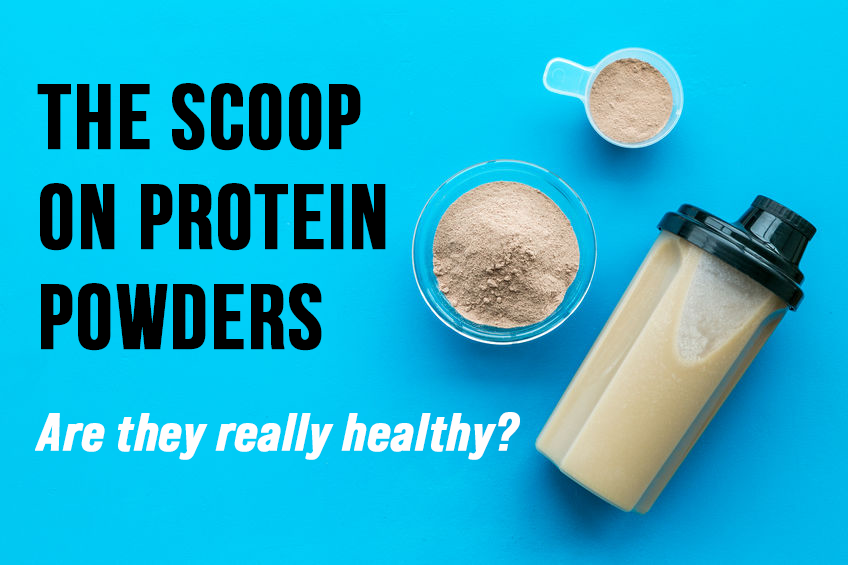
Protein powders are a popular supplement, especially among those looking to gain muscle or lose weight. Despite the convenience and popularity of these powders, many of them may pack more cons than pross when it comes to overall health.
What are protein powders?
Protein powders are powders created by extracting the protein component from foods like meat, dairy, eggs, peas, rice, and hemp seeds among others. These proteins are then processed in a variety of ways and often combined with vitamins, minerals, fats and/or carbohydrates and mixed with a liquid for consumption.
Is protein powder a processed food?
It’s important to distinguish that while protein powders originate from whole food sources, these powders are not whole foods themselves.
“Protein powders are not naturally occurring, there is no protein powder tree, plant or bush, rather, protein powders are dietary supplements made from powdered forms of whole foods. Protein powders are created in laboratories, not kitchens, and although some versions are certainly better than others, all forms of protein powder are processed food in some way,” writes Holistic Nutritionist Stephanie Kay at Kaynutrition.com.
Often protein powders are processed by using incredibly high heat temperatures that leave the protein so altered or even damaged that the body is challenged to even recognize it as food (savorylotus.com).
Other forms of processing protein powders can be harmful to the body too. Whey protein isolate undergoes an acid processing that removes many alkalizing minerals, along with vitamins and lipids that occur naturally in its food source. This process makes whey protein isolate highly acidic in the body and frequent consumption can create a very acidic internal environment if enough alkalizing foods are not consumed to maintain balance. This acidic environment can make the body more vulnerable to illness and certain diseases (foodbabe.com).
Protein isolates can pose other problems as well. When protein is separated from its food source the process can in turn create high amounts of MSG. Since the MSG is created as a by-product of manufacturing, the FDA does not require it to be listed as an ingredient, so you won’t see it on the label but it can still be present in your protein powder (thehealthyhomeeconomist.com).
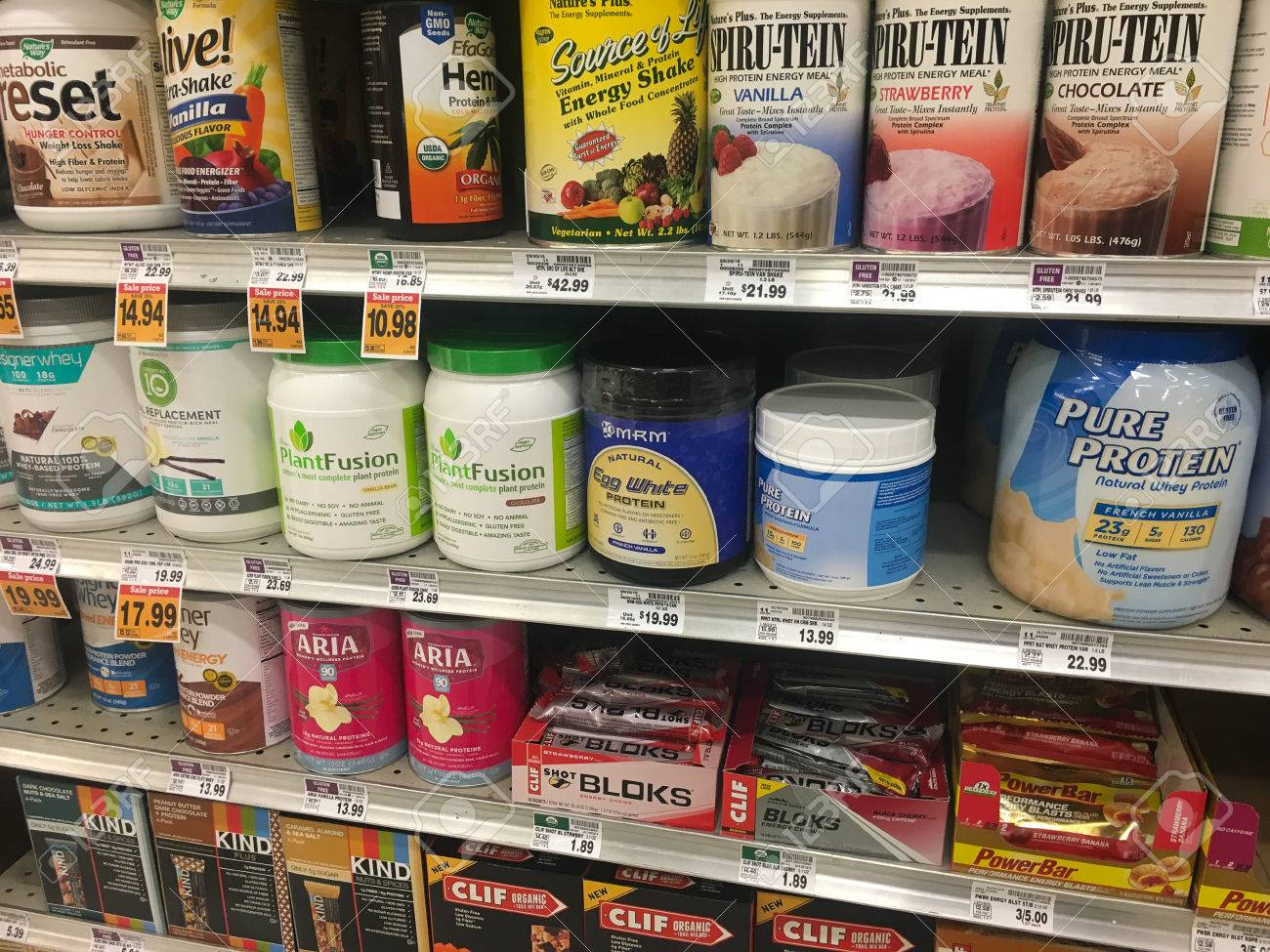 Soy protein isolate may cause hormone disruptions due to high amounts of estrogen created when it is separated from its protein source. Also, over 90 percent of soy in the US is GMO and sprayed with Roundup herbicide according to Vani Hari, writer, food industry activist and founder of foodbabe.com recommends consumers choose another protein source aside from soy.
Not only are protein powders highly processed they are often not as beneficial or easily absorbed by the body as more nutritionally diverse whole foods that contain fats, minerals and vitamins.
Stephanie Kay of Kay Nutrition explains, “Vitamin A – For example, the utilization of protein requires vitamin A, however many protein powders do not contain vitamin A, and vitamin A is depleted by high intakes of protein, which can defeat the purpose of taking protein powder in the first place. Moreover, many of the fat-soluble vitamins added to protein powders, including vitamin A, D, and E, are only absorbed in the presence of fat, which most protein powders do not contain. Yes, protein powder may contain protein, but that does not mean that drinking it will allow it to work exactly like whole food versions of it” (kaynutrition.com).
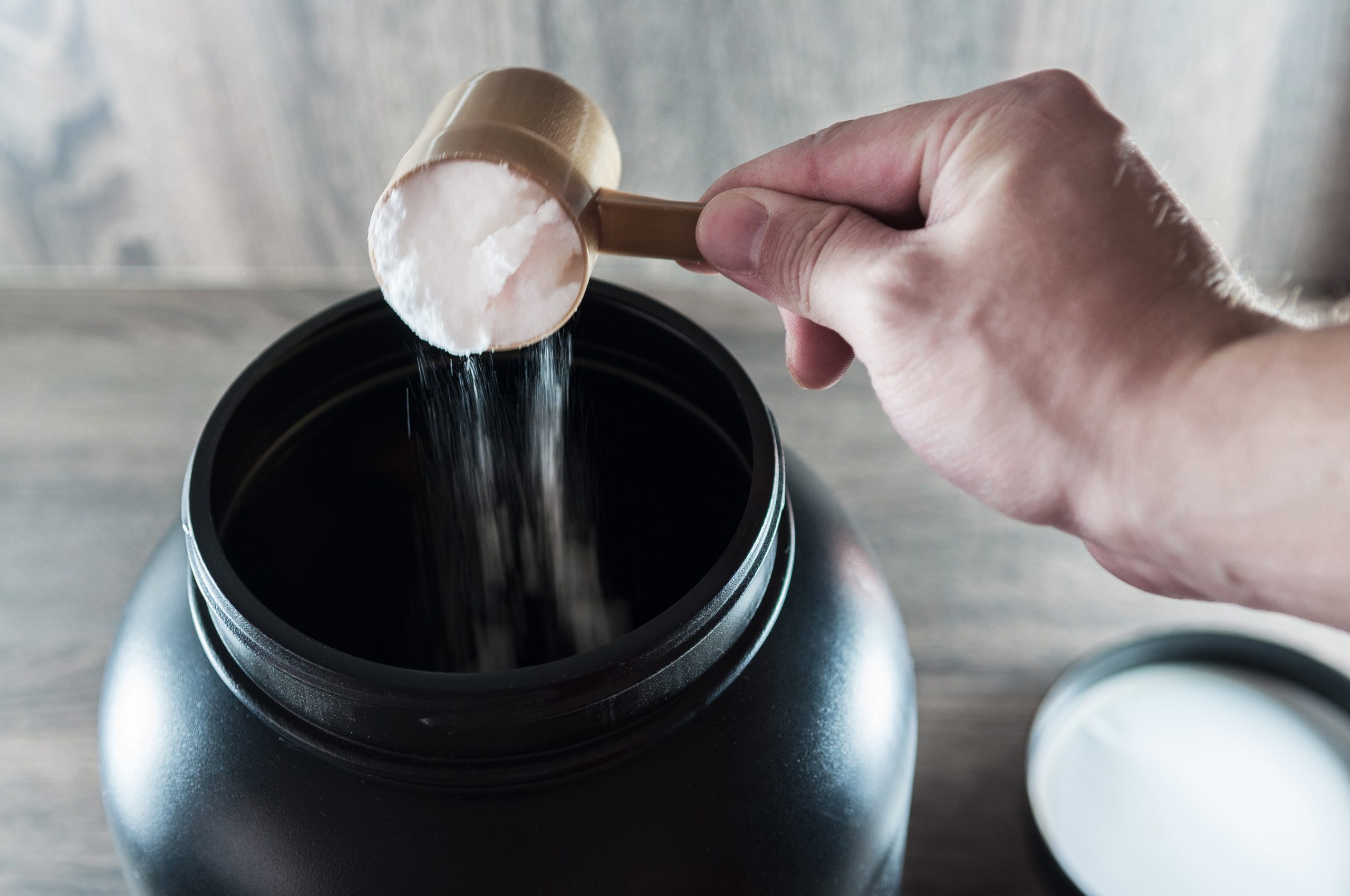 What’s in your shake may give you the shivers
In addition to herbicides and MSG, protein powders often contain artificial sweeteners and synthetic ingredients like gums, fillers, binders and stabilizers. While these additives may improve the taste and/or texture of protein supplements they often wreak havoc on our digestive system and blood sugar levels (kaynutrition.com).
It’s important to be aware that these powders are often made in China and are not regulated, bringing their ingredients and manufacturing practices into greater question.
Sugar substitutes in protein powders can pose another problem. Artificial sweeteners like Aspartame, Sucralose and Erythritol can stall your weight loss efforts. While these sugar substitutes are calorie free, research shows they may rev up your appetite, promote sugar cravings and increase weight gain by promoting fat storage in the body. If you’re using a protein powder to help with weight loss, choosing a product without these sweeteners may be something you want to consider (foodbabe.com).
 Ingredients like Cellulose, used to thicken food products and reduce caking, may also contribute to weight gain and digestive issues according to research. Carageenan, a thickener and emulsifier, has been linked to digestive and intestinal problems. Also, tests show that up to 25% of food-grade carrageen is degraded, and has been classified by the International Agency for Research on Cancer as “Possibly carcinogenic to humans” (foodbabe.com).
Heavy metals and BPA are another reason to do your homework on protein powders.
Heavy metals have been linked to multiple cancers, reproductive issues, and brain damage (cleanlabelproject.org).
BPA is a known endocrine disruptor and often lurks in the plastic tubs protein powders are usually packaged in (foodbabe.com).
A 2018 study from The Clean Label Project, a national non-profit focused on transparency in labeling, found high levels of heavy metals and BPA in 53 popular nutritional shake brands. Researchers tested for lead, mercury, cadmium, arsenic, and BPA in 134 top selling protein powders according to Neilson, Amazon’s Best Seller List, and fitness blog consumer favorites (cleanlabelproject.org).
In the study, plant-based powders fared the worst, with 75 percent of those tested containing lead. Several of these powders also contained cadmium and arsenic, with certified organic products averaging twice the amount of heavy metals compared to non-organic products. Measurable levels of BPA were found in 55 percent of the plant-based powders tested, with one supplement containing over 25 times the allowed regulatory limit of BPA in a single serving! (cleanlabelpproject.org)
“It’s horrifying to think people who are trying to eat healthier by incorporating a nutritional protein powder supplement into their diet may actually be ingesting lead and BPA,” said Jackie Bowen, MPH, MS, Clean Label Project executive director. “While the study revealed plenty of clean protein powder options, this study clearly showed a significant quality variation among top-selling products.”
As to why plant-based powders contained more contaminants than those derived from animal products, researchers believe that answers may lay in the soil.
“Plant-based protein powders have higher levels of heavy metals than non-plant-based protein powders,” said Sean Callan, PhD, director of operations and quality at Ellipse Analytics, the third-party analytical chemistry laboratory that performed the testing. “This could be due to the locations where the protein powder manufacturers’ plant ingredients are sourced having contaminated soil. This is especially true in the United States where there may be a higher incidence of heavy metals in the soil of some regions.”
Egg based protein products may be the safest bet among protein supplements, as no egg based powder tested contained lead (foodsafetynews.com).
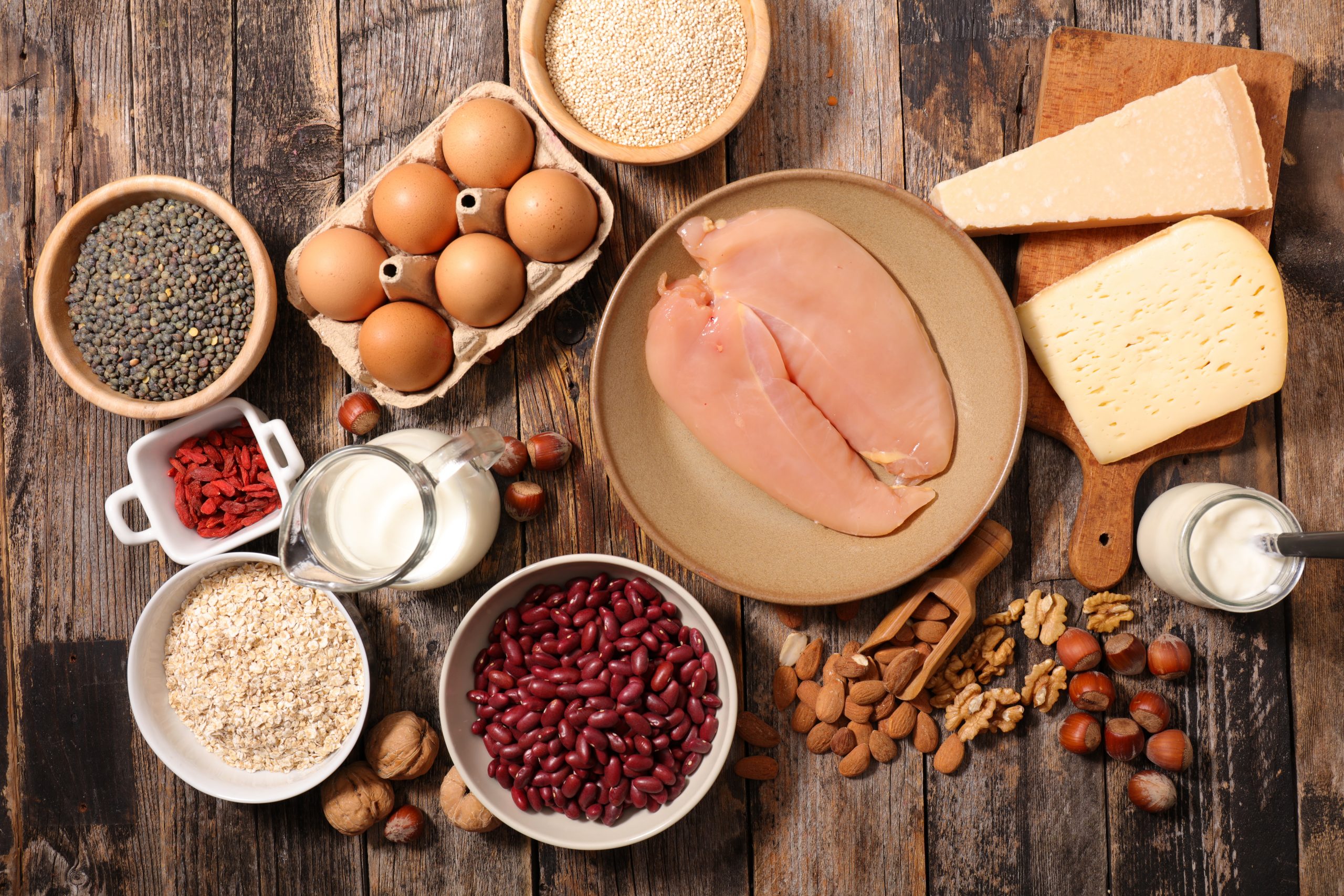 How much protein do you really need?
Protein is essential to a healthy immune system, several body organs and functions, along with healthy bones, muscles, skin and hair. While it’s vital to include plenty of this macronutrient in your diet, you may not need as much as you think.
The Recommended Daily Allowance (RDA) of protein is .8 grams of protein for every kilogram of bodyweight, which would allow most people to meet their basic nutritional needs. To figure out your RDA you would take your weight in pounds multiplied by .36 or use a protein calculator (https://www.calculator.net/protein-calculator.html). For example, a 45-year-old woman weighing 135 lbs. who was lightly active would need 51 grams a day (health.harvard.edu).
It may be easier than you think to consume the RDA and many of us may unknowingly consume much more. Just one 8 oz. serving of beef contains 61 grams of protein, a 6 oz. chicken breast contains 54 grams, and a 5 oz can of tuna contains 30 grams.
“We get bits of protein here and there and that really adds up throughout the day,” says registered dietitian Angela Pipitone with Johns Hopkins McKusick-Nathans Institute of Genetic Medicine in an article “How Much Protein Do You Really Need?” from npr.org.
“Take, for example, breakfast. If you ate two eggs topped with a little bit of cheese and an orange on the side, you already have 22 grams of protein. Each egg gives you 7 grams, the cheese gives you about 6 grams and the orange — about 2 grams. Add a lunch of chicken, rice and broccoli, and you are already over the recommended 50 grams,” writes Patti Neighmond for NPR.
“You can get enough protein and meet the RDA before you even get to dinner,” says Pipitone.
“Whole foods are always the best option rather than adding supplements,” she continues, “I’ve seen very expensive protein supplements that claim to be high quality but they might not really be beneficial for the average healthy adult.” She says, “It could just be a waste of money.”
While most of us can likely get our protein needs met through whole foods, supplements may be beneficial or even necessary for some.

Body builders, athletes and highly active people may need to supplement to meet their protein needs due to their high activity levels. Vegans and vegetarians who find it challenging to obtain their RDA through whole foods may wish to supplement as well. Supplementing may also be beneficial for older adults. As we age, we require more protein in our diets and also experience loss in our muscle mass and bone density, making it more vital that we consume adequate amounts of protein. Someone recovering from surgery or serious illness also needs more protein (npr.com).
Those with kidney disease may be better off steering clear of protein powders and sticking to lower amounts of protein in their diet unless cleared by a doctor. It’s also good to remember that when you increase your protein intake, you need to increase your water intake as well (mindbodygreen.com).
If you are looking to up your protein intake some high protein whole foods you can include are:
- One skinless chicken breast has about 30 grams of protein
- One 5 oz can of tuna contains about 30 grams of protein
- One Cup of low-fat Cottage Cheese contains about 28 grams of protein
- One cup of Fava Beans contains about 20 grams of protein
- 100g of salmon has about 20g of protein
- Three large eggs contain about 18 grams of protein
- One cup of lentils has about 18 grams of protein
- A 170g tub of Greek yogurt contains about 17 grams of protein
- Half a cup of oats contains about 13 grams of protein
- One glass of milk (250ml) has 8-10 grams of protein
- One cup of quinoa has about 8 grams of protein
- One handful of almonds contains about 6 grams of protein
- Two Tablespoons of Hemp Seeds contains about 4 grams of protein
- Two Tablespoons of Chia Seeds contains 4 grams of protein
While we don’t sell protein powders in our shop and prefer to get our nutrients from whole foods as much as possible, we love these protein bars from PaleoValley for a convenient snack on-the-go.
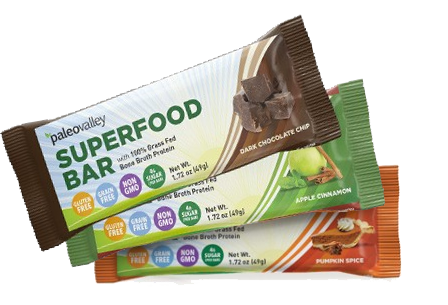
Packed with nine grams of protein from grass fed bone broth, these bars are gut friendly and loaded with nutrient-dense super foods. With 180 calories per bar, they are also gluten free, non-GMO, and contain no preservatives or additives.
What about you, how do you like to get your protein? Let us know what you think!
Sources
Bass, Ray. (2019, September 13). How Healthy is Protein Powder? Here’s What You Need to Know. Retrieved from https://www.mindbodygreen.com/articles/is-protein-powder-healthy
Kay, Stephanie. (2019, January 24). Is Protein Powder Healthy. Retrieved from https://kaynutrition.com/protein-powder-healthy/
Heino, Katja. (2021). Three Ugly Truths About Protein Powders. Retrieved from https://www.savorylotus.com/3-ugly-truths-about-protein-powders/
Pope, Sarah. (2011, June 2). Why Protein Powder is Not a Health Food. Retrieved from https://www.thehealthyhomeeconomist.com/ditch-that-protein-powder/
Hari, Vani. (2018, July 17). The Horrible Stuff in Protein Powder (Is it in yours?). Retrieved from https://foodbabe.com/the-horrible-stuff-in-protein-powder-is-it-in-yours/
Clean Label Project. (2018, February 27). New Study of Protein Powders from Clean Label Project Finds Elevated Levels of Heavy Metals and BPA in 53 Leading Brands. Retrieved from https://cleanlabelproject.org/blog-post/new-study-of-protein-powders-from-clean-label-project-finds-elevated-levels-of-heavy-metals-and-bpa-in-53-leading-brands/#:~:text=The%20laboratory%20discovered%20that%20the,cases%20above%20health%2Dbased%20guidelines.
Harvard Health Publishing. (2020, April 10). The Hidden Dangers of Protein Powder. Retrieved from https://www.health.harvard.edu/staying-healthy/the-hidden-dangers-of-protein-powders
Gunnars, Kris. (2020, October 1). Protein Intake –How Much Protein Should You Eat per Day. Retrieved from https://www.healthline.com/nutrition/how-much-protein-per-day#negative-effects
Neighmond, Patti. (2018,Dec.3). Retrieved from https://www.npr.org/sections/thesalt/2018/12/03/669808699/how-much-protein-do-you-really-need
Beach, Coral. (2018. February 28). Heavy metals Found in 40 percent of Protein Powders Tested. Retrieved from https://www.foodsafetynews.com/2018/02/heavy-metals-found-in-40-percent-of-protein-powders-tested/