
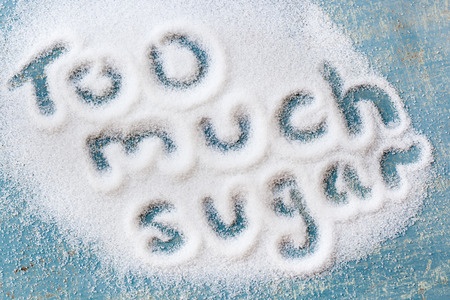
Is Sugar to blame for how you feel?
Yes, sugar is often primarily to blame for the lack of energy, hunger, stupor, illnesses, and pain. We, unfortunately, have gradually acclimated ourselves, to having low energy and pain. We accept it as normal and for a quick fix we take medicine or over-the-counter drugs, rather than looking for the real answers, like detoxifying foods and herbal solutions. Our society is addicted to sugar; it slowly and silently crept up on us.
How much sugar is in your food and drink?
Read the labels. You can find different forms of sweeteners frequently in one package or bottle. High fructose corn syrup, agave, dextrose, maltose, sucralose, brown rice syrup, molasses, and others are all forms of sugar in the end. The label will also show the amount Total Sugars and Added Sugars in the Nutrition Facts Panel.
Remember that one teaspoon of granulated white sugar is equal to 4.2 grams. For comparison, there are 42 grams of sugar in a can of coke. That comes to 10 teaspoons of sugar per can of coke. Soda is possibly the worst offender.
Check the labels on other foods also, even those that you might think of as health foods.
Flavored yogurt: 5 teaspoons (19 grams) of added sugar in 6 oz.

Yogurt might be synonymous with “health food” for many, it’s a great source of protein, calcium, and cultures–but unless you’re buying “plain” yogurt, that dose of dairy may contain 20 grams of added sugar or more!
Sports Drinks: 3.5 teaspoons (14 grams) of added sugar in 8 oz.

Many people turn to sports drinks during the hot summer months to stay hydrated or replace lost electrolytes from sweating. There are definitely some situations in which sports drinks are warranted: running a marathon or prolonged athletic training, to name a couple. Going for a brisk walk or a leisurely bike ride on a hot summer day is not one of these situations. Sports drinks pack in as much sugar as soda and essentially contribute empty calories that wreak havoc on blood sugar and waistlines.
Spaghetti Sauce: 2 teaspoons (7 grams) of added sugar in 1/2 cup
Sure, the bulk of a pasta sauce’s ingredients are tomatoes and other veggies, but did you know that various forms of sugar (or corn syrup) are often added to your favorite red sauce? Manufacturers add sweeteners to tomato-based sauces to help cut down on the acidity of the tomatoes for a more widely appealing taste. But not all spaghetti sauces are created equal–some brands have 2-3 times the sugar of others! A few have none.
Chocolate Milk: 1.5 teaspoons (6 grams) of added sugar in 8 oz.
Chocolate milk and other flavored milk get their sweetness from 6 grams of added sugar.
Coffee Drinks: 8-15 teaspoons (30-60 grams) of added sugar per 16 oz.
Black coffee by itself is naturally sugar-free, but some flavored coffee drinks can pack more than 60 grams per 16-ounce serving. When shopping for your morning cup of Joe, avoid flavored or mixed coffee drinks that add in the sweeteners, flavored syrups, whipped (sweetened) creams, and other sweeteners.
Ketchup: 1.5 teaspoons (6 grams) of added sugar in 1 oz.
One of America’s favorite condiments, this seemingly innocent tomato-based sauce can pack as much as 6 grams of added sugar in a single ounce. High fructose corn syrup is usually added to ketchup to give it its sweet and savory flavor.
Sweetened Teas: 12 teaspoons (48 grams) of added sugar in 16 oz.
Like coffee, tea is naturally sugar-free. However, in some regions, tea comes sweetened with (lots of) sugar unless you specifically ask for unsweetened tea. This added sugar can rack up to over 48 grams for 16 ounces of tea.
Instant Oatmeal: 3 teaspoons (12 grams) of added sugar in 1 packet
Oatmeal has long been praised as a healthy breakfast of whole grains and fiber. While oats themselves are free of added sugar, the instant, flavored oatmeal that you buy in individual packages have 10-12 grams of sugar per packet. We have to read labels.
Protein Bars: 4 teaspoons (15 grams) of added sugar in 1 bar
Protein bars certainly sound healthy and many people choose them as an afternoon snack, post-workout recovery meal, or on-the-go meal replacement. Of course, these bars run the gamut when it comes to actual ingredients and nutrition profile, but one thing is for sure: They tend to be heavily sweetened. While they may have some protein, most of these bars have enough sugar to make a candy bar look almost innocent.
Coleslaw: 14 grams = 3.5 teaspoons per cup
Coleslaw can vary widely in its added sugar content, depending on the ingredients used. Some recipes actually call for adding up to one full cup of sugar!
Fruit Drinks: 4 teaspoons (15 grams) of added sugar in 1 cup
100% fruit juice is a very concentrated source of fructose (naturally occurring fruit sugar). Fruit drinks, on the other hand, are often packaged and marketed to look like “wholesome” fruit juice but are mostly a mixture of added sugar and water. While 100% fruit juice does contain some vitamins and minerals, fruit drinks usually don’t. To avoid these hidden sugars, read the ingredients label. Anything other than “100% fruit juice” is likely to include added sweeteners.
Artificial Sweeteners
These mimic the flavor of sugar with virtually no useful energy. There are several sugar substitutes approved for consumer use.
Sucralose is marketed under the name Splenda. To make it, they chlorinate sucrose, changing the structure of sugar molecules in it. Yes, I said “chlorinate,” adding chlorine atoms. Even so it has been approved by the FDA in 1999 for human consumption although there are recently concerns about it's safety.
Truvia: This is NOT stevia-based as marketed. The name Truvia suggests truth, but it is just the opposite, it is a lie. The ingredients are Erythritol, Rebiana and Natural Flavors. 99.95% of Erythritol is a sugar alcohol made by processing genetically modified (GMO)) corn, the rest is Rebiana, a laboratory-produced extract of one-half of 1% of the Stevia plant, just enough to say it is a stevia product. Truvia is just another product, which mainly consists of sugar alcohol made from GMO corn!
Xylitol is another favorite of the food industry. It is made primarily from GMO corn. Commercially available xylitol is produced by the industrialized process of sugar hydrogenation. In order to hydrogenate anything, a catalyst is needed, and in this case, Raney nickel is used which is a powdered nickel-aluminum alloy.
On being asked if he considered Xylitol a “natural product”, Shane Ellison, Organic Chemist, says: “I don’t consider anything natural if it’s processed with man-made chemicals.” He said, “Xylitol will rip up your insides, namely the digestive tract. It’s being touted as a natural product, most likely so that it can bypass regulation. Thus, very little studies exist on its side effects.” He further said it is a “Franken-chemical.”
What is a good sweetener?
Fresh fruit of all sorts makes the best sweeteners to add to your food, snack, drink. Dates are a dried fruit often used powdered or as paste.
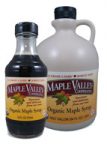 Another good choice is Maple syrup, rich Dark Robust variety. Dark Robust is the term for what used to be called Grade B, and before that, Grade C Maple Syrup. But the industry decided that all of its product should really be called Grade A, so now the term Dark Robust is used instead, for late season maple syrup which has more minerals and is darker in color and richer in flavor.
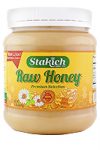
Finally, unheated, unfiltered pure raw honey, like Stakich Raw Honey, is unprocessed, not blended with syrups as most commercial honey is to get the water content specified by the FDA.
How can you avoid sugar?
It’s easy to say "stop eating it", which is true but sugars are hidden in many packaged food products. To avoid sugars and their artificial counterparts, start reading labels!
Even more, start eating whole unprocessed nutritious foods. Once you switch over and your body get used to getting real nutrition, you will find your taste buds change and you the sugar-laden foods you used to eat don't even taste good anymore!
Eat foods that give you sustained energy, detoxifying foods, exercise, drinking lots of water, and discovering herbal nutrition will help you find your way back from sugar addiction.
To reduce your craving for sugar, you can try to rebalance your taste for it. Herbal bitters are combinations of herbs that come in a spray or drops to stimulate your body's own digestive enzymes and rehabilitate the bitter principle which tends to reduce the influence of sweets. Learn more ....
